
Al Satwa is one of Dubai’s oldest and most characterful neighbourhoods, sitting in central Dubai between Sheikh Zayed Road, Jumeirah 1 and Al Wasl. Known for affordable rents, its legendary food scene led by Ravi Restaurant, and the Satwa Roundabout landmark, it offers authentic old-Dubai living minutes from the Red Line metro.
Related: Satwa Bus Station routes & timings, Al Satwa Bus Station, Al Satwa Big Mosque, and our Satwa Masjid guide.
This 2026 guide covers living in Al Satwa: rents, the best residential pockets, amenities, food, schools, parks, and transport. For the landmark junction at its heart, see our Satwa Roundabout guide.
Al Satwa at a Glance
| Detail | Info |
|---|---|
| Location | Central Dubai — between Sheikh Zayed Road, Jumeirah 1, Al Wasl, and Bur Dubai |
| Character | Historic, multicultural, mid-rise residential with street-level retail |
| Nearest metro | World Trade Centre, Al Jafiliya, Emirates Towers (Red Line) |
| Key landmark | Satwa Roundabout |
| Rent (1BR) | From ~AED 52,000/year (older buildings); newer blocks AED 65,000–75,000 |
| Famous for | Ravi Restaurant, tailoring shops, Dubai Street Museum murals, budget food streets |
| Best for | Budget-conscious renters who want a central location and authentic old-Dubai life |
Where Is Al Satwa?
Al Satwa occupies a prime central slice of Dubai: bordered by Sheikh Zayed Road to the east, Jumeirah 1 to the west, Al Wasl to the south, and the Bur Dubai / Al Jafiliya side to the north. That positioning puts Downtown Dubai and Dubai Mall roughly 10–15 minutes away by car, DIFC and the World Trade Centre within minutes, and Jumeirah’s beaches a short drive west.
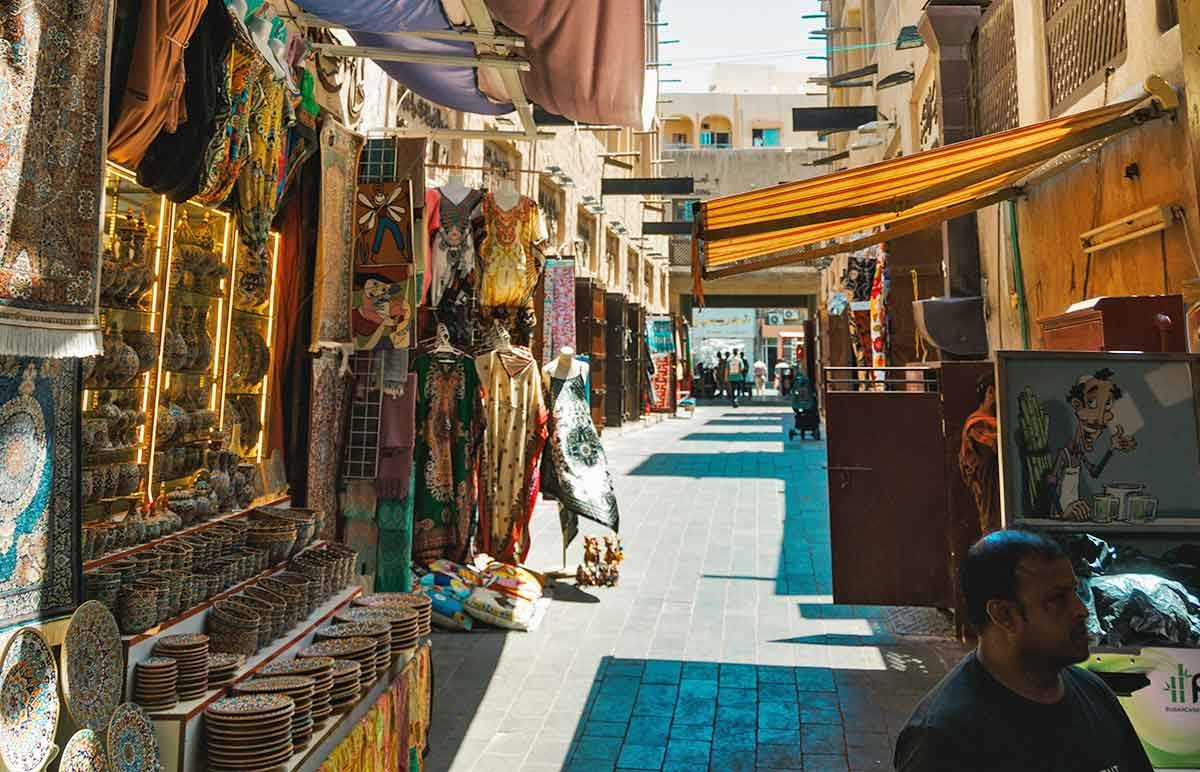
The neighborhood grew organically over decades rather than from a master plan, which is exactly why it feels different from newer districts: narrow commercial streets, walk-up apartment blocks, and a street life that runs late into the evening.
Living in Al Satwa: Pros and Cons
Pros
- Central and genuinely affordable: among the cheapest rents for such a central Dubai location — 1BR apartments start around AED 52,000/year in older buildings.
- Transport links: the Red Line is minutes away (World Trade Centre, Al Jafiliya), and Satwa Bus Station connects to routes across the city.
- Everything walkable: groceries, clinics, salons, laundries, mosques, and exchange houses are on nearly every block.
- Food paradise: some of Dubai’s best budget eating — Pakistani, Indian, Filipino, and Lebanese restaurants at prices far below the malls.
- Community feel: long-established expatriate communities give Satwa a rooted, lived-in character rare in newer areas.
- Green space: Al Satwa Park offers jogging tracks, a kids’ play area, and picnic spots; Al Khazzan Park is nearby.
Cons
- Older buildings: much of the stock is dated — don’t expect high-end finishes or modern amenities in budget blocks.
- Busy and dense: it’s not a quiet suburban-style location; streets are lively late and parking is tight.
- Limited new supply: most new development (like Arista One in Jumeirah Garden City) sits at the edges, priced well above the old core.
Rent in Al Satwa (2026)
Rents in Al Satwa remain among the most competitive in central Dubai. Current market snapshots:
| Unit type | Typical annual rent | Notes |
|---|---|---|
| Studio | AED 35,000 – 45,000 | Older buildings, basic finishes |
| 1 bedroom | AED 52,000 – 72,000 | Older blocks at the lower end; newer buildings higher |
| 2 bedroom | AED 85,000 – 110,000 | Family-sized units, often with balcony and parking |
For context, comparable central locations (Downtown, DIFC, City Walk) typically cost 50–100% more for similar sizes. Newer off-plan projects on Satwa’s fringes, such as Arista One in Jumeirah Garden City (1–2BR from ~AED 1.4 million), are lifting the area’s profile for buyers — but the rental market’s sweet spot remains the affordable older stock.
Best Residential Pockets
- Around Satwa Roundabout / 2nd December Street: the liveliest part — best food and shopping access, busiest streets.
- Al Bada’a edge: slightly calmer residential blocks near the park side, still walkable to everything.
- Al Wasl Road side: convenient for drivers heading to Sheikh Zayed Road; mix of older villas and low-rise apartments.
- Jumeirah Garden City fringe: newer towers (like Elysium Residence 2) with pools, gyms, and covered parking at mid-range rents.
Amenities: Schools, Healthcare & Daily Life
Healthcare
Small clinics and pharmacies are scattered throughout the neighborhood, with larger hospitals (including facilities in nearby Al Wasl and Bur Dubai) a short drive away.
Schools
Several nurseries and schools serve the area, and the central location keeps well-known schools in Jumeirah, Al Wasl, and Bur Dubai within easy reach.
Parks & recreation
- Al Satwa Park: jogging tracks, children’s play areas, and picnic spots — the neighborhood’s green lung.
- Al Khazzan Park: a short drive away, another family-friendly option.
- Beaches: Jumeirah’s public beaches are minutes west by car.
Shopping
Day-to-day shopping is all street-level: supermarkets, butchers, bakeries, and tailoring shops line the main roads. For mall shopping, City Walk and Dubai Mall are 10–15 minutes away.
Food in Al Satwa: What to Eat
Satwa’s food scene is the stuff of Dubai legend. The headline act is Ravi Restaurant — the Pakistani institution serving since 1978 near the roundabout — but the whole district is packed with budget gems: Indian curry houses, Filipino eateries, Lebanese cafeterias, and late-night shawarma spots. Most meals cost a fraction of mall prices, and the streets around 2nd December Street stay busy well past midnight.
Transport: Metro, Bus & Driving
- Metro: no station inside Satwa itself, but World Trade Centre and Al Jafiliya (Red Line) are 1.5–2 km away — a short taxi ride. See our Dubai Metro map guide for routes and timings.
- Bus: Satwa Bus Station is one of Dubai’s key interchanges, with frequent routes across the city.
- Driving: direct access to Sheikh Zayed Road, Al Wasl Road, and Jumeirah Road. Evening congestion around the roundabout is the main drawback.
- Taxis: plentiful at all hours — “Satwa Roundabout” is all the driver needs to hear.
Watch: Al Satwa at Night
A 4K night walk through Al Satwa’s streets — the shops, restaurants, and street life that define the neighborhood after dark: