
Eating your way through 90+ countries in a single evening for under AED 120 is the best deal in Dubai dining. That is exactly what Global Village offers every winter: more than 250 food outlets across 29 country pavilions, plus dedicated street-food zones like the Floating Market and the Indian Chaat Bazaar. Most dishes cost AED 15–30, karak chai is AED 5, and a full multi-cuisine food crawl lands at AED 80–120 per person. What to eat by pavilion, real price ranges, best-value stalls, and how to budget your food trip — Season 31 details verified for 2026–2027.
Global Village Season 31: Dates and Entry Tickets
Season 31 opened on 14 October 2026 and runs through May 2027 — the exact closing date has not been announced yet, so a mid-to-late May close is expected, as in previous seasons. Tickets cost AED 25 Monday–Thursday and AED 30 on Fridays, Saturdays, Sundays and public holidays, with 10% off online. Children under 3, seniors over 65, and People of Determination (plus one companion) enter free.
For the full schedule and what’s new, see our Global Village Season 31 guide and our opening hours page before you head out. Tuesdays are family/ladies-only evenings (except public holidays), so plan your food run accordingly.
Global Village Food Prices at a Glance
Global Village is one of the cheapest places to eat well in Dubai. Realistic price bands, checked against this season’s coverage:
- Drinks and snacks: karak chai AED 5, fresh juices AED 10–15, bottled water AED 5–10.
- Street-food mains: most dishes AED 15–30 — Lebanese shawarma AED 15–20, seekh kebabs AED 15–25, biryani AED 20–25, Thai dishes AED 20–30, takoyaki AED 20–25, mango sticky rice AED 25.
- Desserts: small boxes of baklava around AED 15, luqaimat roughly AED 10–35, chaat-bazaar sweets AED 15–25.
- Floating Market: typically AED 25–50 per item; seafood platters expected at AED 95–115.
- Sit-down restaurants: AED 50–100 per person.
Budget AED 80–120 per person for a serious multi-cuisine crawl, or AED 40–80 for light snacking. Bring AED 150–200 in cash — most pavilion restaurants accept cards, but smaller stalls are often cash-only, and on-site ATMs charge fees.
What to Eat by Pavilion: The Must-Try Stalls
These are the stalls that consistently deliver destination-quality food, ranked by how much they justify the trip.
Turkey: Doner, Gozleme and Gaziantep Baklava
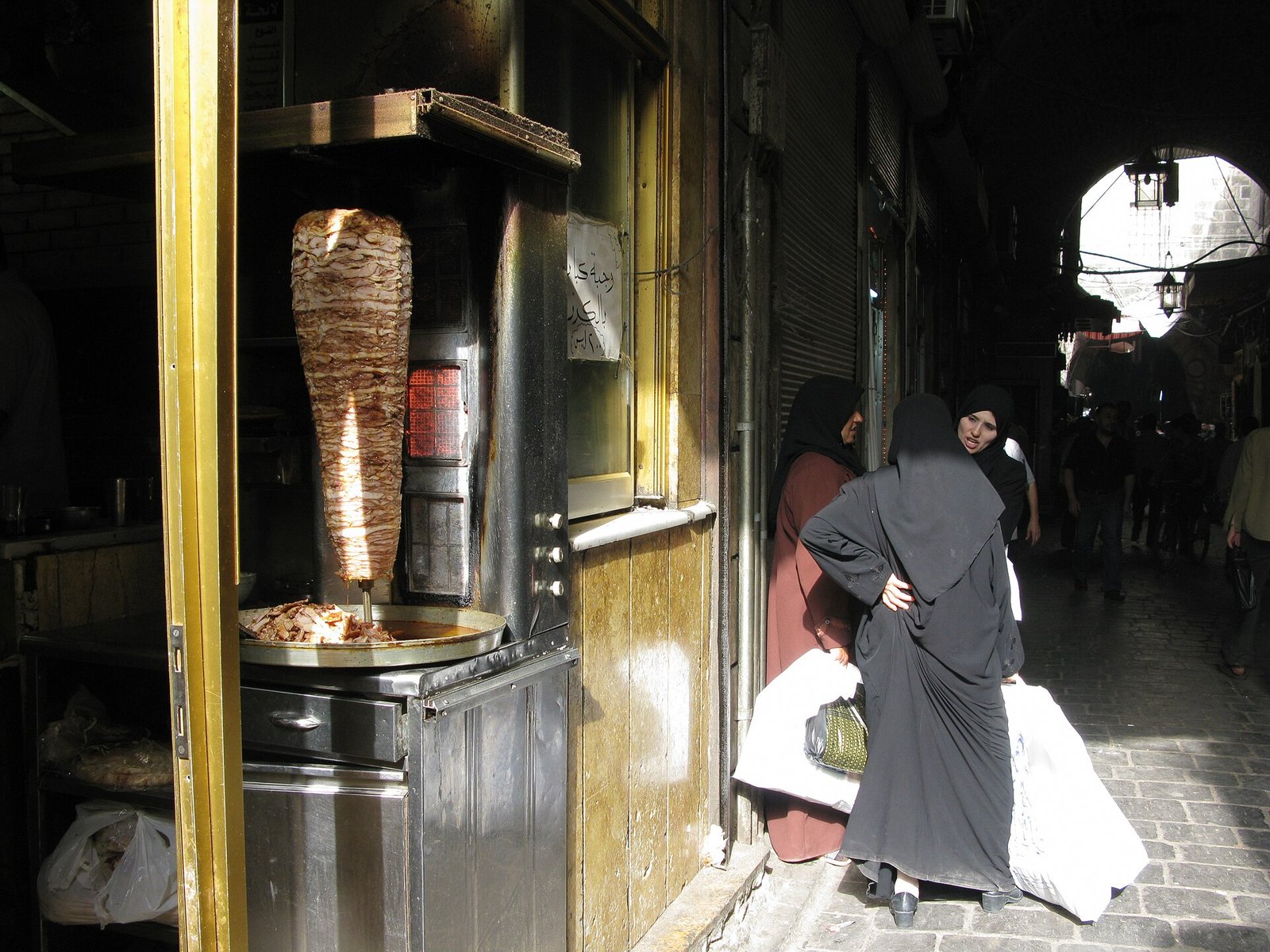
The Turkish pavilion anchors one of the most consistent food zones in the park. Doner kebab is carved off a genuine rotating spit by Turkish operators, and gozleme (stuffed flatbread) comes off a massive griddle. The star is the baklava — imported from Gaziantep and priced 30–40% below Dubai’s Turkish sweet shops. A small box runs around AED 15. Buy a box for home; seasoned visitors buy two.
India: The Chaat Bazaar and Biryani Counters
The dedicated Indian Chaat Bazaar goes further: kiosks like Dosa Express (paneer masala dosa), Dilli Dhaba (chilli cheese paratha), Desi Chaat (dahi puri) and Naan-Stop Butter Chicken (daal makhni) recreate a Mumbai street market — try the chocolate pani puri.
Pakistan: Charcoal Seekh Kebabs and AED 5 Karak
The Pakistani stalls serve some of the most flavorful food in the complex: seekh kebabs over live charcoal, lamb karahi in heavy woks, and naan fresh from clay tandoors — most mains AED 15–25, a third of restaurant prices. This is where Dubai’s Pakistani community eats when they visit, which tells you everything about authenticity. Don’t skip the karak chai stand near the Pakistani pavilion: at AED 5 a cup, it is the cheapest and arguably most satisfying item in the entire park. Pair it with a fresh paratha for a perfect AED 15 snack.
Lebanon: AED 15–20 Shawarma and Spinning Knafeh
The Lebanese pavilion’s shawarma stand is widely rated the best-value shawarma in Dubai — a chicken wrap with garlic sauce, pickled turnips and fresh vegetables at AED 15–20. The kibbeh is freshly fried, fatayer come out of the oven on-site, and the knafeh dessert is prepared in a rotating pan that draws a crowd every time. The Lebanese pavilion alone justifies the AED 25 entry.
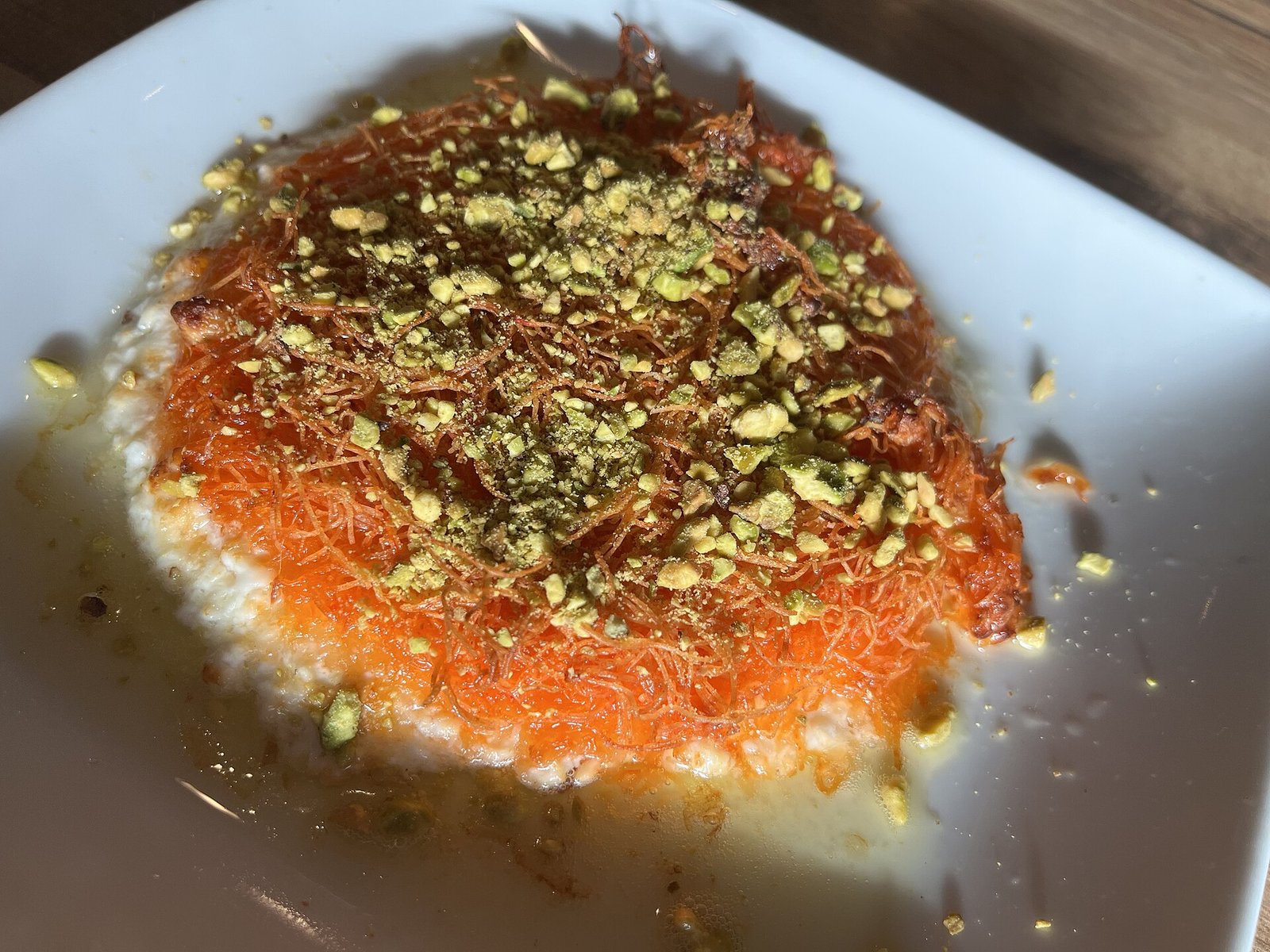
Bosnia: Slow-Cooked Kebabs at Bosnian House
A quieter favorite: the Bosnian House serves slow-cooked Bosnian kebabs in a sit-down setting. It is one of the most family-friendly food stops in the park — expect AED 50–100 per person.
Thailand, Japan and East Africa: The Adventurous Half
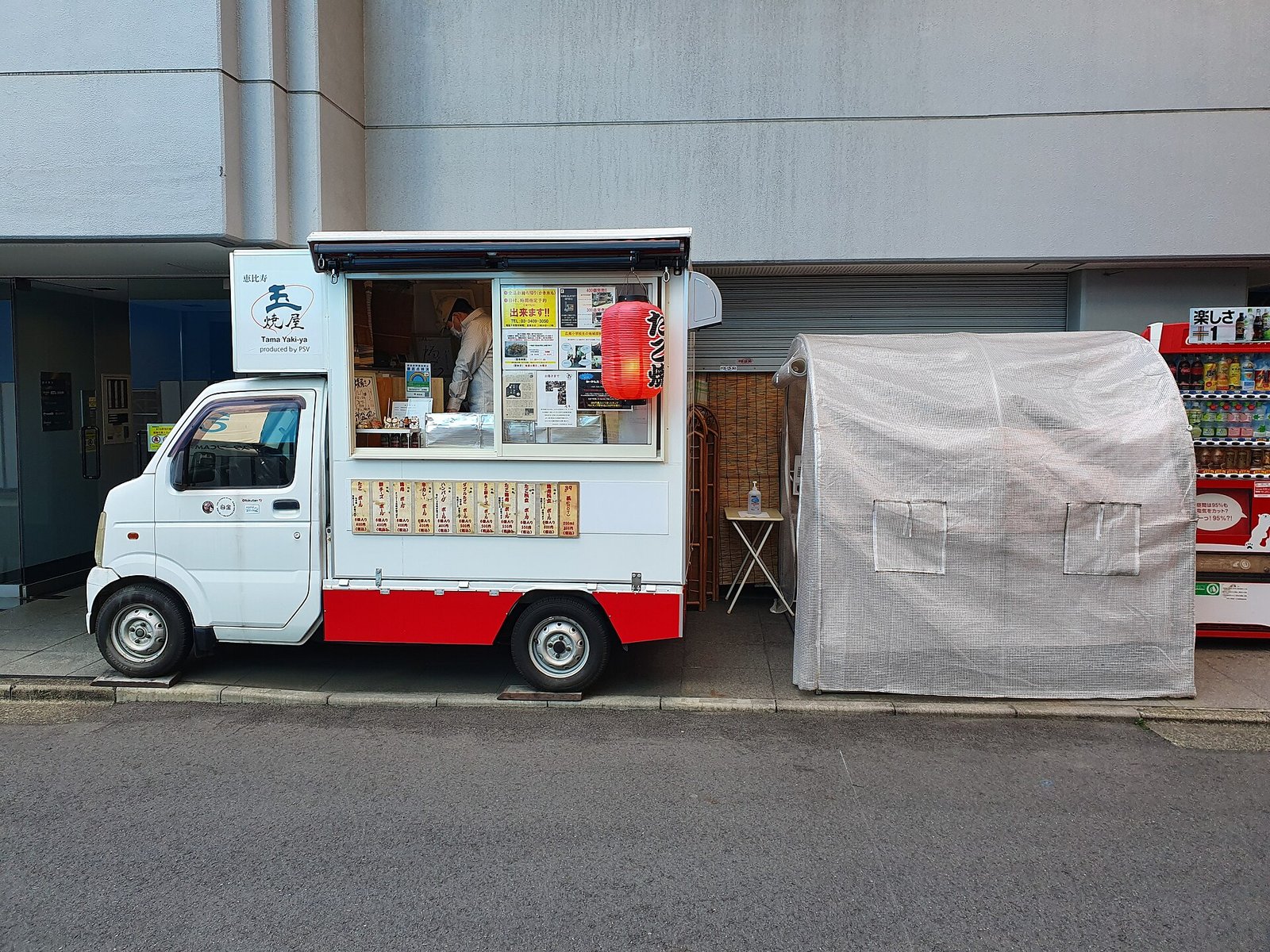
The Thailand pavilion’s pad thai, green curry and mango sticky rice (AED 25) are surprisingly authentic (AED 20–30 per dish). In the Japan section, takoyaki cooked in traditional rotating molds goes for AED 20–25 — crispy outside, molten inside — alongside yakitori and matcha soft-serve.
Then there is the East Africa corner (Tanzania, Kenya, Ethiopia) — the only place in the UAE to find Ethiopian injera with wats, Tanzanian chipsi mayai (Tanzania’s national street food: a French-fry omelet) and Kenyan grilled meats. These cuisines are nearly impossible to find elsewhere in Dubai, and their presence alone makes the trip worthwhile for adventurous eaters.
Morocco, Iran, Yemen and Egypt
The Morocco pavilion does tagines, couscous and pastilla, with mint tea preparation as a performance in itself. Iran counters serve saffron rice dishes and lamb kebabs. The Yemen and Egypt pavilions round out the Arab street-food spread with grills, rice plates and sweets — main plates typically AED 20–35.
UAE Pavilion: Emirati Luqaimat
Don’t leave without trying luqaimat — traditional Emirati sweet dumplings, crispy outside and fluffy inside, drenched in date syrup. Several carts sell them across the park, but the one near the Central Fountain is famous for the crispiest, freshest batches. Local rule of thumb: follow the longest queue of Emirati women — they know. Roughly AED 10–35 depending on cart and portion.
The Floating Market: Asian Street Food on the Water
The Floating Market, set along the water near Dragon Lake, is one of Global Village’s signature food experiences — boat-style kiosks serving Asian street dishes inspired by the markets of Bangkok, Vietnam and Indonesia. Typical options include grilled seafood skewers, noodle bowls, ramen, dim sum, Filipino halo-halo, Malaysian laksa and Thai mango sticky rice served in palm-leaf bowls. Most items run AED 25–50, with shareable seafood platters expected at AED 95–115.
It doubles as one of the best waterfront viewing spots for the evening fireworks and drone shows, so grab your food before the countdown — seating is limited at peak times.
The Dessert District and Sweet Zones
Beyond Turkish baklava and Emirati luqaimat, the Dessert District and the Railway Market (inspired by Bangkok’s Maeklong market) lean into sweets: cakes, pastries, chocolates, ice creams, candied fruit skewers and ice golas from the Indian Chaat Bazaar. Fiesta Street adds baklava frappes, crepes and loaded desserts. Budget AED 15–35 per dessert stop — and ask for “less sweet” if Middle Eastern and South Asian desserts run too intense for you.
Best-Value Meals and a Smart Food Budget
The winning strategy is to eat in waves, not one sitting: two or three stalls, then pavilions and shows, then eat again. A proven route for maximum coverage:
- Start light: Thai iced tea and takoyaki (~AED 25 total).
- The main event: Lebanese shawarma and Pakistani seekh kebab (~AED 35 total) — share portions if you are a pair.
- The wild card: Ethiopian injera or Tanzanian chipsi mayai (AED 20–25) — eat something you have never tried.
- Dessert one: Turkish baklava (~AED 15 for a small box) — eat two pieces now, save the rest for tomorrow.
- Dessert two: Emirati luqaimat (~AED 10) — the perfect warm, sweet finish.
- Nightcap: karak chai (AED 5) by the fountain.
Total: roughly AED 110–120 — food from six or seven countries for less than a single appetizer at most DIFC restaurants. Outside food and drinks are not allowed inside (water bottles are permitted through security), so arrive hungry. And watch the queues: stalls with moderate lines (five to ten people) consistently serve the best food — popular enough for repeat customers, short enough that nothing sits.
Vegetarian and Halal Options
Vegetarians are well served. The Indian Chaat Bazaar is almost entirely vegetarian-friendly (dosas, dahi puri, ice golas), Thai and Moroccan pavilions have strong vegetarian lines, and Ethiopian injera platters are naturally vegetarian. The vast majority of food at Global Village is halal, per UAE food regulations — the few non-halal options (primarily in some East Asian sections) are labeled. If you are unsure, ask the stall operators directly; most speak English. One caution: stall food labeling is inconsistent, so visitors with serious allergies should confirm ingredients with operators and be aware of shared cooking surfaces.
See the Food in Action
A Season 31 vlog from opening week walks through the pavilions and food stalls — the queues, the portions and the night atmosphere before you go: