











The AED to INR rate today, Monday 16 November 2026, is 1 AED = ₹25.70 (₹25.7041 exactly), so AED 1,000 converts to ₹25,704.11 at the mid-market rate. This is the rate banks trade at between themselves — the one Google shows — and the converter below loads it live.
One honest warning before you send a salary home: your family will receive a little less than the figure here, and the reason is explained in plain words further down this page.
AED Currency Converter — Live Rate
Convert any amount, in either direction, between dirhams and the currencies UAE residents use most. The tool loads the latest mid-market rates when the page opens; if the live feed cannot be reached, it works from today’s stored rates instead, so it never sits dead. The unit rate is shown under every result.
1,000 AED = ₹25,704.11 INR
1 AED = ₹25.7041 INR · updated Mon, 16 Nov 2026
100 AED = ₹2,570.41 · 500 AED = ₹12,852.05 · 1,000 AED = ₹25,704.11 · 5,000 AED = ₹128,520.55
Rates are mid-market, for information only, and refresh once a day. The rate an exchange house or bank gives you will differ slightly — the section below explains exactly why, and how to lose as little as possible to it.
Today’s AED Exchange Rates — 16 November 2026
These are today’s mid-market dirham rates, Monday 16 November 2026 (last updated 00:02 UTC). The right-hand column is the one to hold against a remittance quote: if a provider offers you less than the 1,000 AED figure for your currency, the gap between the two numbers is their margin and fee combined.
| Currency | 1 AED = | 1,000 AED = |
|---|---|---|
| Indian Rupee (INR) | ₹25.7041 | ₹25,704.11 |
| Pakistani Rupee (PKR) | Rs 75.3644 | Rs 75,364.44 |
| Philippine Peso (PHP) | ₱17.4044 | ₱17,404.43 |
| Nepalese Rupee (NPR) | Rs 41.1264 | Rs 41,126.40 |
| Bangladeshi Taka (BDT) | ৳34.0169 | ৳34,016.91 |
| Sri Lankan Rupee (LKR) | Rs 90.5766 | Rs 90,576.55 |
| Egyptian Pound (EGP) | E£14.6338 | E£14,633.77 |
| US Dollar (USD) | $0.2723 | $272.29 |
| Euro (EUR) | €0.2469 | €246.91 |
| British Pound (GBP) | £0.2060 | £206.04 |
| Saudi Riyal (SAR) | SR 1.0211 | SR 1,021.10 |
| Kuwaiti Dinar (KWD) | KD 0.0846 | KD 84.62 |
Why the Rate You Get Is Lower Than the Google Rate

Search “aed to inr” and Google gives you one clean number. Walk into an exchange house and the number on the screen is smaller. Nothing has gone wrong — you are looking at two different prices.
The Google figure is the mid-market rate: the midpoint between the price at which the world’s banks buy and sell a currency to each other, in enormous volumes, with no shop rent, no staff and no cash handling. No retail customer, anywhere, gets that exact rate.
An exchange house earns its money from the gap, called the margin or spread. It buys your dirhams for slightly less than the mid-market rate and sells you rupees for slightly more.
On the busiest corridors out of the UAE — India, Pakistan and the Philippines, where millions of dirhams move every day — competition keeps that gap down to a fraction of one per cent.
On quieter currencies it widens. This is also why a transfer advertised as “zero fee” is not free: the cost has simply been moved into a weaker rate.
A provider charging a small visible fee with a strong rate will often deliver more money than a “no fee” provider with a poor one.
Three more things move the quote you are given. Timing: the global currency market closes over the weekend, so Saturday and Sunday quotes are usually locked near Friday’s close, sometimes with a small safety buffer added. Transfer type: cash pickup, bank credit and mobile wallet payouts are priced differently, and instant delivery can cost more than next-day. Channel: your own bank’s app is convenient, but bank remittance rates are frequently weaker than an exchange house’s, and a card payment can add its own conversion charge on top.
The only fair comparison is the final amount that lands in your family’s hands for a fixed number of dirhams — compare that figure across two providers before you commit.
Sending Money from the UAE
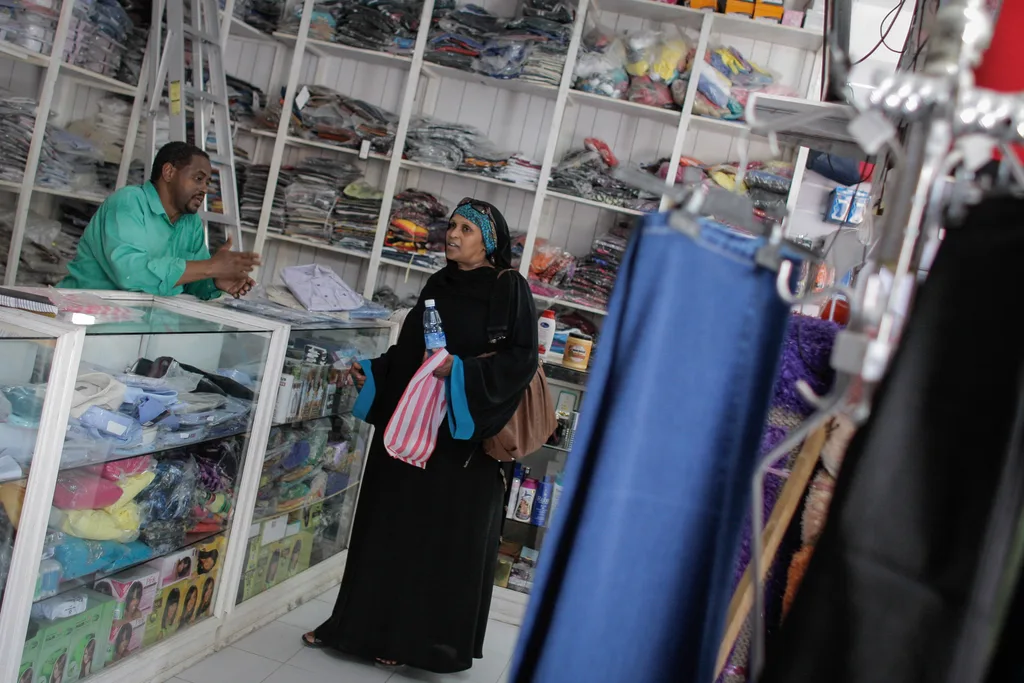
Exchange houses are the workhorse of UAE remittances. Their branches fill malls, metro stations and labour areas, they accept cash or card, and on the major corridors a transfer typically reaches a bank account the same day — often within minutes — or waits as cash for your family to collect.
You will need your Emirates ID to transact, and your first transfer with a new provider involves registration and identity checks, so allow a little extra time on that first visit.
Bank transfers suit larger amounts and anyone who wants a clean paper trail. Sending from your UAE bank’s app or branch is straightforward, but international payments can pass through correspondent banks that deduct their own charges on the way, and delivery commonly takes one to three working days depending on the corridor.
The exchange rate your bank applies is set by the bank and is rarely the sharpest available.
Remittance apps — run by exchange houses and fintech companies alike — have taken much of the branch traffic. Onboarding is done with an Emirates ID scan, the first transfer may be held for verification, and after that sending is a few taps, with instant delivery to mobile wallets on some corridors.
Whichever channel you use: send on a weekday morning when rates have just refreshed, spell the receiver’s name exactly as it appears on their ID, and keep the transaction reference until the money lands.
AED to INR — Sending Money to India
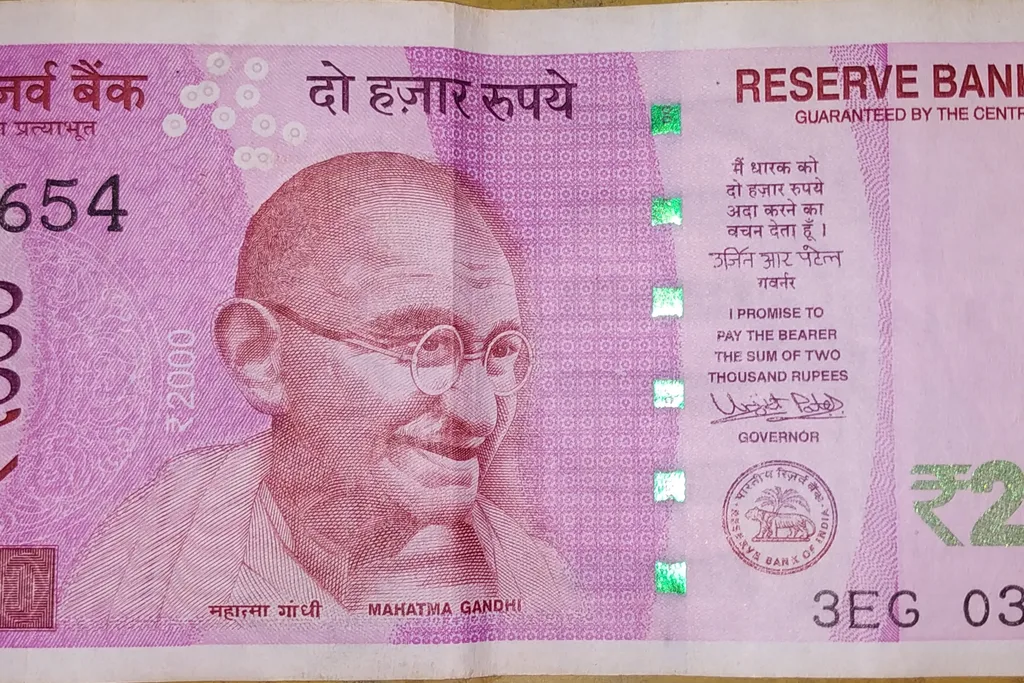
India is the UAE’s largest remittance corridor, and most workers send within a few days of salary landing. Because volumes are huge, margins here are among the tightest anywhere — which means the fee and the delivery speed are where providers really differ.
On large amounts, even a small rate difference outweighs any fee saving, so compare the received amount, and watch for the promotional rates that appear around festivals such as Onam, Diwali and Eid.
AED to PKR — Sending Money to Pakistan
The Pakistani rupee floats freely and can move noticeably within a single day, so the hour you send can matter as much as the provider you choose. If the rate is favourable in the morning, locking it in beats waiting for the evening.
Cash pickup networks inside Pakistan are extensive, and bank credit is fast on this corridor — but check the live rate twice before a big transfer, because this pair swings more than AED to INR.
AED to PHP — Sending Money to the Philippines
Many Filipinos in the UAE send straight to a mobile wallet or bank account, and weekend sending is heavy as families time transfers around days off. The peso also floats, so it pays to glance at the rate trend across the week rather than sending on autopilot.
Check your receiver’s wallet or account limits before sending a larger-than-usual amount, so a big transfer is not split or held at the other end.
More Daily Rates on UAE Mercury
The dirham is not the only number UAE residents check every day. We track the gold rate in Dubai with a live board and making-charges guide, the silver price in Dubai per gram for 999 and 925 silver, and the monthly petrol price in Dubai for Super 98, Special 95, E-Plus 91 and diesel.
Frequently Asked Questions
What is the AED to INR rate today?
Today, Monday 16 November 2026, the mid-market rate is 1 AED = ₹25.70 (₹25.7041 exactly). That makes AED 100 worth ₹2,570.41, AED 500 worth ₹12,852.05 and AED 1,000 worth ₹25,704.11 before fees and margin. The converter at the top of this page loads the latest rate when you open it. An exchange house will pay you slightly less, because the difference is how it earns.
Why is the exchange house rate lower than the Google rate?
Google shows the mid-market rate — the midpoint at which banks trade currencies between themselves. Exchange houses and banks buy your dirhams below that rate and sell the rupees above it; the gap, called the margin or spread, is their profit. A transfer advertised as “zero fee” usually hides the whole cost inside a weaker rate instead, so always compare the amount your family will actually receive, not the fee.
What is the best way to send money from the UAE to India, Pakistan or the Philippines?
For most workers, an exchange house branch or a remittance app gives the best total: a rate close to the mid-market rate, a small or zero fee, and delivery within minutes to a bank account or a cash pickup point. Bank-to-bank transfers suit larger amounts and keep a tidy record, but the rate is often weaker and correspondent banks can deduct charges on the way. Whichever route you pick, compare two providers on the same amount and choose the one that delivers more at the other end.
Does the AED exchange rate change on weekends?
Only a little — and that is the point. The global currency market closes over the weekend, so the mid-market rate sits close to Friday’s close. Providers know this and either lock their weekend quotes at Friday’s level or add a small safety buffer, which is why a Saturday quote can look slightly worse than a Monday one. Because the dirham is pegged to the US dollar, every AED pair simply reopens where the dollar left off.
Why does AED to USD never change?
The UAE dirham is pegged to the US dollar at a fixed rate of 3.6725 dirhams to one dollar, a policy the UAE Central Bank has maintained since 1997. One dirham is therefore always worth about $0.2723. Every other AED rate — rupees, pesos, pounds, taka — moves because the other currency moves against the dollar, not because the dirham itself changes value.
How much cash can I carry out of the UAE without declaring it?
You must declare cash, foreign currency and traveller’s cheques worth AED 60,000 or more in total when travelling through UAE airports and border points. Below that amount, no declaration is needed. Declaring is a formality, not a tax — but carrying more than the limit without declaring it can lead to the money being seized, so declare if you are anywhere near the threshold.