








Dubai Trade is the single online window for trade and logistics in Dubai. Instead of visiting separate counters for ports, customs and free zones, businesses complete almost every trade task through one login.
This guide explains what the portal does, who runs it, and how the main services work. It also covers registration, container tracking, customs declarations and payments, so new traders can get started with confidence.
What Is Dubai Trade?
Dubai Trade, at dubaitrade.ae, is Dubai’s single-window platform for trade and logistics. It brings more than 700 electronic services together under one login, covering the full journey of a shipment from arrival to final clearance.
A trader can book port services, submit a customs declaration, arrange haulage and pay charges without leaving the portal. That single route replaces a long chain of separate visits, phone calls and paper forms.
The platform operates around the clock, every day of the year. For a trading hub that moves cargo day and night, 24/7 access is not a bonus feature. It is the basic requirement.
The time saved is measurable. Dubai Trade reported eliminating 12.74 million physical visits in the first half of 2023 alone, according to the Dubai Media Office, as users completed those tasks online instead.
Who Runs Dubai Trade?
Dubai Trade is a DP World company. It describes itself as the digital trade arm of DP World in the GCC, building the technology that connects the different parties in Dubai’s supply chain.
DP World operates Jebel Ali Port, the largest port in the Middle East and the main gateway for Dubai’s trade. Running the digital window alongside the physical port keeps both sides of the process under one group.
Dubai Trade itself does not move your cargo or clear it. It provides the shared system through which the port operator, customs, free zones and traders exchange requests, documents and payments.
That distinction matters when something goes wrong. A rejected declaration is a customs matter, a berthing delay is a port matter, and a login or payment problem belongs to the portal’s support team.
Who Needs a Dubai Trade Account?
Traders are the largest group of users. Importers and exporters use the portal to clear goods, pay duties and charges, and follow their shipments through the port and customs process.
Shipping lines and their agents use it for vessel and manifest work. They submit manifests, request marine services and manage cargo documentation for ships calling at Dubai’s ports.
Clearing and forwarding agents work in the portal on behalf of their clients. They prepare and submit declarations, follow up on inspections and settle charges, often handling many companies from one office.
Hauliers use Dubai Trade for the road side of the journey. They book appointments, arrange container pick-up and delivery, and manage the haulage services that move cargo between port, warehouse and customer.
Free zone companies also need access. Businesses licensed in Jebel Ali Free Zone and other zones under the same umbrella handle licensing and administrative services through the same login.
If your company only buys goods locally and never imports, exports or ships cargo, you probably do not need an account. The moment goods cross a Dubai port or customs point, you almost certainly do.
Main Services Explained
Marine Services
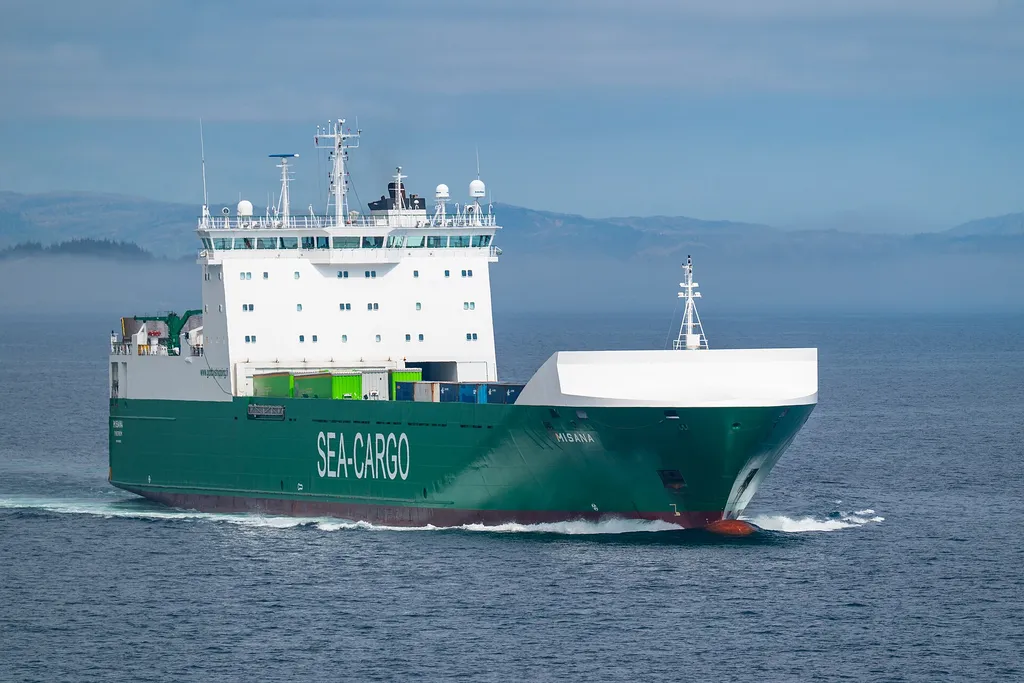
Marine services cover the ship’s side of a port call. Shipping lines and agents request services linked to vessel arrival, berthing and departure at terminals including Jebel Ali Port.
These requests once meant separate paperwork for each service. Through the portal they are raised, tracked and paid for in one place, with the port operator working from the same record.
Manifest and Cargo Handling
Every shipment entering or leaving Dubai must be declared on a manifest. Carriers and agents submit manifest details electronically, so the port and customs know what is arriving before the ship docks.
Cargo handling services then cover the physical movement of goods. They include container handling at the terminal, cargo loading and discharge, and related requests tied to a specific shipment.
Cargo Clearance
Cargo clearance is the customs side of the process. Traders and their agents submit electronic declarations, respond to inspection requests and complete clearance so goods can legally enter or leave the UAE.
Clearance runs through Dubai Customs systems, explained in the next section. Dubai Trade provides the single front door through which those declarations are filed and followed.
Haulage Services
Haulage services connect the port to the road. Transport companies manage bookings for collecting and delivering containers, keeping the landside movement of cargo organised alongside the port work.
Good haulage planning prevents a common and expensive problem: a cleared container sitting at the terminal while storage charges grow, simply because no truck was booked in time.
Invoicing and E-Payment
Charges from different service providers appear as invoices inside the portal. Users can view, track and settle them electronically instead of paying each authority separately at separate counters.
E-payment keeps a clear record of what was paid, when and for which shipment. That record is valuable later for accounting, audits and resolving any disputed charge.
Container Enquiry and Cargo Tracking
The container enquiry service lets users check the status of containers at Jebel Ali. Traders can confirm whether a box has arrived, been cleared and is ready for collection.
Cargo tracking goes further. Tools including Mirsal 2 cargo tracking and CARGOES Flow give visibility over a shipment’s progress, so importers can plan warehousing, transport and customer delivery dates.
Dubai Customs and Mirsal 2
Dubai Customs is the government authority that controls goods entering and leaving Dubai. It assesses duty, enforces restrictions and decides whether a shipment is released, inspected or held.
Mirsal 2 is Dubai Customs’ electronic declaration and clearance system. Declarations are submitted digitally, risk checks run automatically, and many straightforward shipments clear without any physical visit.
Through Dubai Trade, users reach Mirsal 2 services from the same login as their port work. A trader can follow a declaration, check its status and track the related cargo in one session.
Accuracy matters more than speed here. Wrong commodity codes, values or documents are the most common cause of delays, so experienced traders check every declaration carefully before submitting it.
Dubai Customs remains the decision-maker on your goods. Dubai Trade is the channel, Mirsal 2 is the customs system, and the release decision always belongs to the authority itself.
JAFZA and Free Zone Services
The Jebel Ali Free Zone, known as JAFZA, is one of the world’s largest free zones and sits beside Jebel Ali Port. Its licensing and administration services are delivered through Dubai Trade by Economic Zones World.
Free zone companies use the portal for day-to-day administration linked to their licence and operations. Handling those services in the same system as port and customs work suits companies that both trade and store goods in the zone.
The zone’s scale means practical guides help as much as online services. If your work takes you to the zone in person, our guide to JAFZA Gate 11 explains one of its main access points.
Dubai Chamber of Commerce services are also reachable through the platform. These include certificates of origin, which prove where goods were made, and attestation of trade documents that overseas buyers and authorities require.
ZADI: Food Imports in One Place
ZADI is Dubai Trade’s unified platform for food imports, built with Dubai Municipality and Dubai Customs. Food traders register products and manage import requirements through a single route instead of dealing with each authority separately.
For food businesses, that removes a layer of duplication. Product information entered once supports the checks of both the municipality, which handles food safety, and customs, which controls the shipment itself.
How to Register and Log In
Registration starts on dubaitrade.ae, where a business signs up using its trade licence details. The company is then linked to the account so its shipments, licences and services appear under the right name.
Once the company account exists, administrators can add individual users. Each staff member gets their own access, which keeps a clear record of who submitted a declaration or approved a payment.
Keep your licence and company documents current before you start. Registration and many services depend on a valid trade licence, and an expired document can block transactions at the worst possible moment.
After setup, logging in is a single sign-in for all connected services. One login replaces the separate accounts traders once maintained for the port, customs and the free zone.
If your company uses a clearing agent, discuss access early. Many traders give their agent controlled access to work on their behalf, while keeping ownership of the main company account themselves.
Dubai Trade vs Dubai Customs vs DP World
New traders often use these three names as if they were the same organisation. They are not, and knowing who does what saves time whenever a shipment needs attention.
| Organisation | What it is | What it does for your shipment |
|---|---|---|
| Dubai Trade | The single-window online platform, a DP World company | One login for 700+ services, requests, tracking, invoices and e-payment |
| Dubai Customs | The government customs authority | Declarations and clearance through Mirsal 2, duty assessment, inspections and release decisions |
| DP World | The ports and logistics group behind Dubai Trade | Operates Jebel Ali Port terminals, marine services and cargo handling |
| JAFZA / Economic Zones World | The free zone operator | Free zone licensing and company administration services |
In short, DP World runs the port, Dubai Customs controls the goods, and Dubai Trade is the digital counter where you deal with both. JAFZA adds the free zone layer for companies licensed there.
Common Tasks, Step by Step
Track a Container at Jebel Ali
Log in to Dubai Trade and open the container enquiry service for Jebel Ali. Enter the container number or the shipment reference given by your shipping line or agent.
Check the status shown: arrived, under clearance, held for inspection or ready for collection. If the container is ready, arrange haulage promptly so storage charges do not build up.
File a Customs Declaration
Start from the cargo clearance services and choose the declaration type that matches your shipment. Enter the goods details, values and codes, and attach the supporting documents such as the invoice and packing list.
Submit the declaration through Mirsal 2 and follow its status in the portal. Respond quickly if customs requests an inspection or extra documents, then complete payment so the goods can be released.
Pay an Invoice
Open the invoicing section to see charges raised against your company or shipment. Check each invoice against the service received before paying, since queries are easier to resolve before settlement.
Pay electronically through the portal and save the receipt. Your payment history stays in the account, ready for your accounts team at month end.
Fees and Payments
Most services on Dubai Trade carry the fees of the authority providing them, such as port handling charges or customs-related costs. The portal collects payment; it does not set every price itself.
Because charges depend on the service, cargo type and shipment, check the invoice for each transaction rather than relying on a general figure. Your clearing agent can also confirm expected charges before goods arrive.
E-payment is the standard route. Paying inside the portal links the payment to the right service request automatically, which avoids the delays that come from manual transfers and separate receipts.
Keep your account’s payment arrangements in order. A failed payment can hold a time-sensitive shipment, and port storage charges keep running while paperwork waits.
Tips for New Traders
Set up your account before your first shipment is on the water. Registration, company linking and user setup are quick when done early and stressful when a vessel is already approaching Jebel Ali.
Give every regular user their own login. Shared credentials hide who did what, and a clear audit trail protects your company when a declaration or payment is questioned later.
Build declaration checking into your routine. Most delays come from small errors in codes, values or documents, and a two-minute check before submitting is cheaper than an inspection or amendment.
Track containers daily once they land. Fast collection after clearance keeps storage costs down and keeps your customers’ delivery promises realistic.
Finally, learn which authority owns each problem. Portal issues go to Dubai Trade support, release questions go to Dubai Customs, and terminal matters go to the port operator. Asking the right party first gets answers fastest.
Frequently Asked Questions
What is Dubai Trade?
Dubai Trade is Dubai’s single-window online platform for trade and logistics. It brings more than 700 services from DP World, Dubai Customs, JAFZA and Dubai Chamber under one login at dubaitrade.ae.
Is Dubai Trade part of DP World?
Yes. Dubai Trade is a DP World company and describes itself as the digital trade arm of DP World in the GCC. DP World also operates Jebel Ali Port.
How do I register on Dubai Trade?
Register on dubaitrade.ae using your company trade licence details, link your company to the account, then add individual users. Keep your licence valid, as many services depend on it.
What is Mirsal 2?
Mirsal 2 is Dubai Customs’ electronic system for declarations and clearance. Traders submit declarations digitally, customs runs its checks, and approved shipments are released without a physical visit.
Can I track a container through Dubai Trade?
Yes. The container enquiry service covers containers at Jebel Ali, and cargo tracking tools such as Mirsal 2 cargo tracking and CARGOES Flow show a shipment’s progress.