
The fastest way to register Ejari in Dubai is online through the Dubai REST app: log in with UAE Pass, choose Register Ejari Contract, enter your tenancy details, upload the contract, pay AED 177.75, and download your Ejari certificate — usually the same day. Prefer help in person? Any authorised typing (trustee) centre can do it for you in about 25 minutes. For the full breakdown of costs, every required document, and renewal fees, see our complete guide: Ejari Registration: Cost (AED 177.75), Steps & Documents — Tenant Guide.
Ejari is the Dubai Land Department’s official tenancy registration system, run by RERA. It gives your tenancy contract legal standing — without it, you can’t connect DEWA, sponsor a family visa, or raise a rental dispute. This guide is the quick walkthrough: the two registration methods, what to prepare, and what happens after.
How to Register Ejari in Dubai: the Two Methods
There are two official channels. Both end with the same Ejari certificate — pick the one that suits you:
- Online via the Dubai REST app — cheapest (AED 177.75), fastest, done from your phone.
- In person at an authorised typing / trustee centre — a typist does everything for you; slightly higher fee, same-day certificate.
Since late 2024, some approved RERA trustees also accept registration requests via WhatsApp, which suits landlords or tenants handling everything remotely — but the app and the centres remain the standard routes.
Method 1: Register Ejari Online via the Dubai REST App
The Dubai REST app (iOS and Android) is the official DLD app and the quickest route for straightforward residential leases. Follow these steps:
- Sign the Unified Tenancy Contract. Registration is impossible without the standard DLD contract signed by both tenant and landlord. Attach any addenda (maintenance terms, pets, early termination).
- Download the Dubai REST app and log in with UAE Pass. Both the tenant and the landlord need UAE Pass accounts, and both must be individuals. If a company manages the property, the company registers through the Ejari system instead.
- Go to Services → RERA → Register Ejari Contract.
- Enter the tenancy details. Property unit, annual rent, contract start and end dates, and the parties involved. If the property is already linked to the landlord’s account, select it from the dashboard.
- Upload the documents. Clear, readable scans of the signed tenancy contract, Emirates IDs, the title deed, and your DEWA premise number.
- Submit and wait for landlord approval. If the tenant submits, the landlord gets a notification and approves the request in the app. Chase them if they’re slow — the request can be cancelled if it sits unapproved too long.
- Pay AED 177.75 online by card (via Noqodi or accepted payment methods).
- Download the Ejari certificate. It arrives digitally — in the app and by email — as a PDF carrying your unique Ejari contract number. Processing is typically same-day for complete, correct submissions.
Method 2: Register Ejari at a Typing / Trustee Centre
If you’d rather have someone handle the paperwork, authorised Real Estate Trustee Centres across Dubai (for example Al Tabu and Takhlees) register Ejari on your behalf. The steps mirror the online method, but a typist enters everything:
- Bring originals of all your documents — the signed tenancy contract, tenant and landlord IDs, title deed, and DEWA premise number.
- The staff upload everything into the Ejari system and enter the tenancy details for you.
- Pay the fee at the counter — a little higher than the online route (around AED 220 according to current reporting; confirm the exact figure at the counter).
- Receive your certificate — the DLD quotes roughly 25 minutes of processing time at trustee centres, excluding queue waiting time.
We keep a full list of typing centres in Dubai with services and fees if you need one near you.
What You Need Before You Start
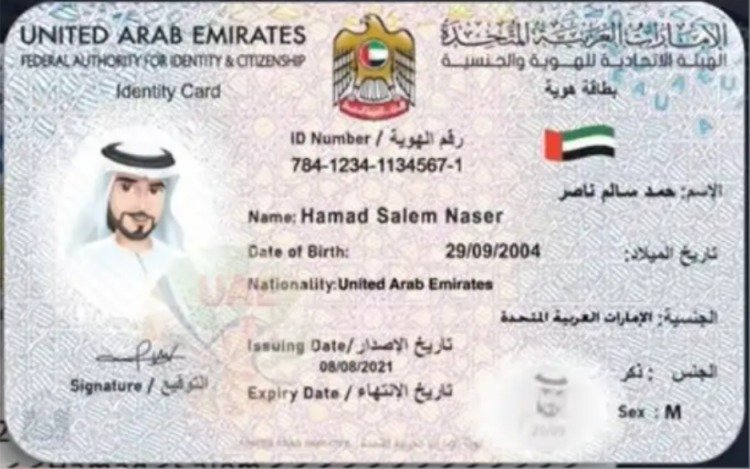
Missing paperwork is the number-one cause of delays. At minimum, keep ready: the signed unified tenancy contract, the tenant’s Emirates ID and passport, the landlord’s ID or passport, the title deed (proof of ownership), and the DEWA premise number (the 9-digit number usually found on the property’s door frame). If someone is registering on behalf of the landlord or tenant, bring a Power of Attorney.
The complete document checklist — including commercial properties and special cases — is in our pillar guide: Ejari Registration: Cost, Steps & Documents — Tenant Guide.
After Registration: Your Ejari Certificate
Your Ejari certificate is a digital PDF. Keep it safe — the Ejari contract number on it is what you’ll be asked for when you:
- Connect DEWA — a DEWA move-in is usually same-day once the Ejari is live, and the connection, security deposit and first bill all run off the Ejari number.
- Apply for or renew a residence visa, including family sponsorship.
- Open a bank account or handle other official paperwork tied to your address.
You can view and download your certificates any time in the Dubai REST app under RERA services. The certificate is valid for the tenancy period stated on it.
Renewing Ejari and Checking Its Status
Ejari does not renew automatically. A fresh certificate is registered for every tenancy period, even if you stay in the same flat with the same landlord — start the renewal as soon as the renewal contract is signed, before the current certificate expires. The process, documents and fee (AED 177.75 in the app) are identical to a first-time registration, and the landlord approves in the app as before. A gap between the old certificate and the new one is a gap in your legal tenancy record — it surfaces at the worst moments: a DEWA query, a visa renewal, or a dispute.
To check your Ejari status, log in to the Dubai REST app, open RERA services, and look at your registered contracts — expiry dates and certificate downloads live there.
Troubleshooting: Common Reasons Registration Gets Rejected
- Blurry or cropped document uploads — the most common reason for rejection. Rescan at good resolution and resubmit.
- Names or numbers don’t match — the tenant name on the contract must match the Emirates ID exactly.
- Landlord hasn’t approved — your submission stalls until they approve in the app. Confirm they’ve got the notification.
- Wrong contract version — only the DLD Unified Tenancy Contract is accepted, not a private agreement.
- Missing title deed — the landlord must provide proof of ownership; off-plan units registered under Oqood rather than a title deed follow slightly different rules.
One more thing for shared accommodation: if you’re renting a bed space rather than a full unit, the economics look very different — see our guide to bed space prices in Dubai. A formal Ejari requires a unified tenancy contract, so bed-space tenants usually aren’t on one.