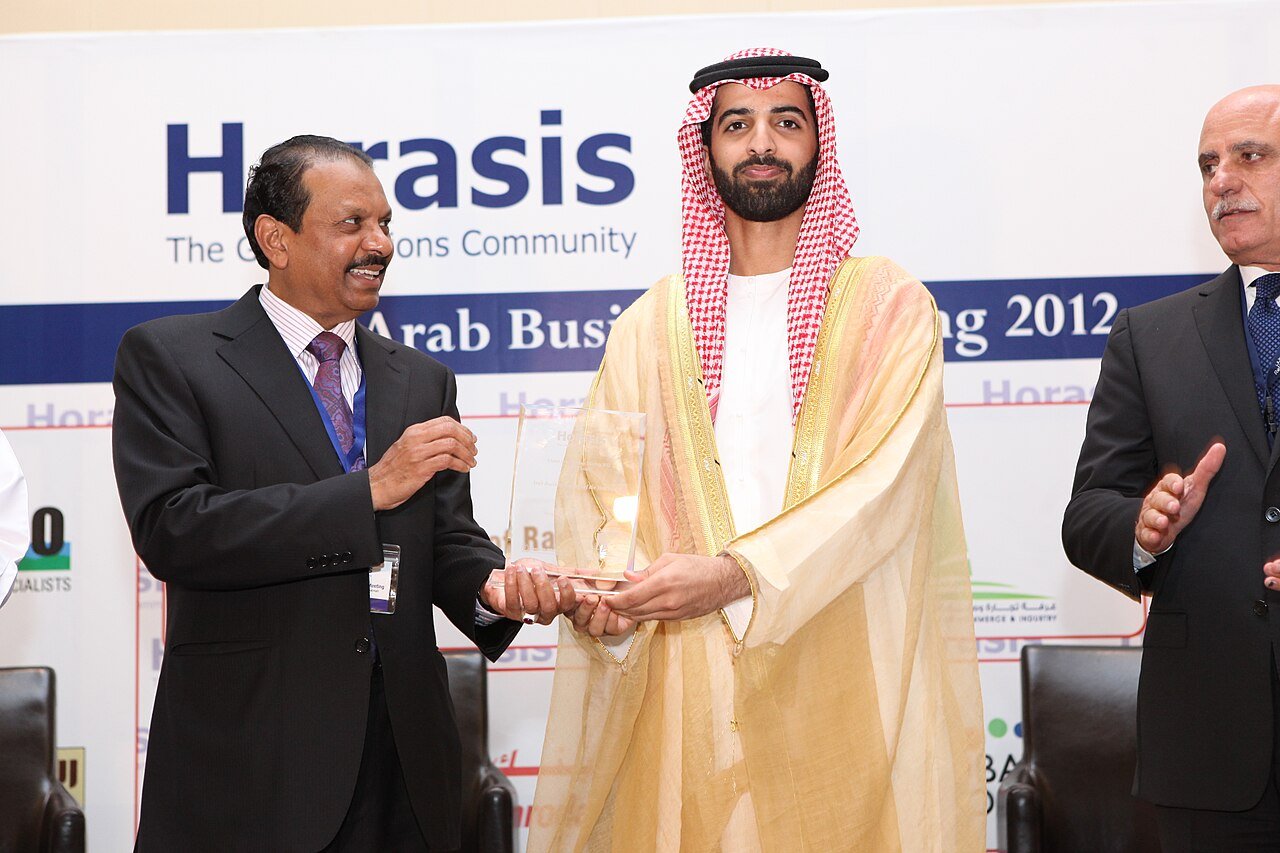
M.A. Yusuff Ali, the chairman of LuLu Group International, is one of the richest self-made billionaires in the Middle East. As of October 2026, Forbes estimates his net worth at $5.75 billion, ranking him 47th on the Forbes India Rich List 2026 and the richest individual Malayali billionaire. The Abu Dhabi-based retail magnate built his fortune from a small trading business into the LuLu retail empire, which listed on the Abu Dhabi Securities Exchange (ADX) in November 2024 in the UAE’s largest IPO of the year.
Yusuff Ali Net Worth in 2026
Yusuff Ali’s net worth has climbed steadily with the growth and public listing of his retail business. Two separate Forbes rankings in 2026 pin his fortune at just under $6 billion, making him one of the wealthiest residents of the United Arab Emirates and the sixth-richest person in the UAE overall.
M.A. Yusuff Ali Net Worth: Latest Forbes Estimates
Here are the latest verified figures:
- $5.75 billion — Forbes India Rich List 2026, published October 2026, where he ranks 47th nationally and is the richest individual Malayali on the list.
- $5.8 billion — Forbes World’s Billionaires List 2026, published March 2026, where he ranks 720th worldwide.
- ~$5.75 billion — Forbes real-time billionaire tracker, which places him among the top 730 billionaires globally.
Converted to local currency, his fortune is worth approximately AED 21.3 billion. Forbes lists his source of wealth as retail, and describes him as self-made — a remarkable achievement for a man who arrived in Abu Dhabi in 1973 with little more than a suitcase and a job in his uncle’s trading firm.
What His Wealth Is Made Of
The bulk of Yusuff Ali’s fortune comes from his majority stake in the LuLu retail business. After the November 2024 IPO of Lulu Retail Holdings on the ADX, the value of his retained shareholding became publicly visible for the first time, which pushed his Forbes estimate upward. Beyond the listed retail arm, he controls the private LuLu International Holdings group — covering shopping malls, sourcing and logistics, food processing, hospitality, and real estate. His portfolio also includes marquee assets such as the Waldorf Astoria hotel in Edinburgh, Scotland, the Great Scotland Yard Hotel in London, a minority stake (with a board seat) in Cochin International Airport, and investments in Indian banking.
In the UAE’s billionaire landscape, Yusuff Ali’s story is often told alongside other self-made business icons — from Emaar founder Mohamed Alabbar and DAMAC’s Hussain Sajwani to GEMS Education founder Sunny Varkey — but few have built a retail empire of LuLu’s scale from such humble beginnings.
How Did Yusuff Ali Make His Money?
Yusuff Ali made his money the old-fashioned way: by spotting a gap in the market and filling it better than anyone else. His journey from a teenage immigrant employee to a multi-billion-dollar retail empire spans five decades.
From a Small Trading Business to the First Hypermarket
In 1973, at just 18 years old, Yusuff Ali left Nattika in Kerala’s Thrissur district for Abu Dhabi, where his paternal uncle, M.K. Abdullah, ran the EMKE Group — a small trading and distribution business importing and selling goods. Young Yusuff Ali learned the trade from the ground up: importing, wholesaling, and understanding what the Gulf’s growing expatriate population actually wanted to buy.
By the 1990s, the UAE’s retail landscape was shifting. Traditional groceries and corner supermarkets were giving way to large modern stores. Yusuff Ali moved decisively, opening the first Lulu Hypermarket in Abu Dhabi — several profiles date the store to 1995 — and introducing Gulf shoppers to the hypermarket format: huge floor space, imported products, fresh produce, and competitive prices under one roof. The concept exploded.
Building the LuLu Retail Empire
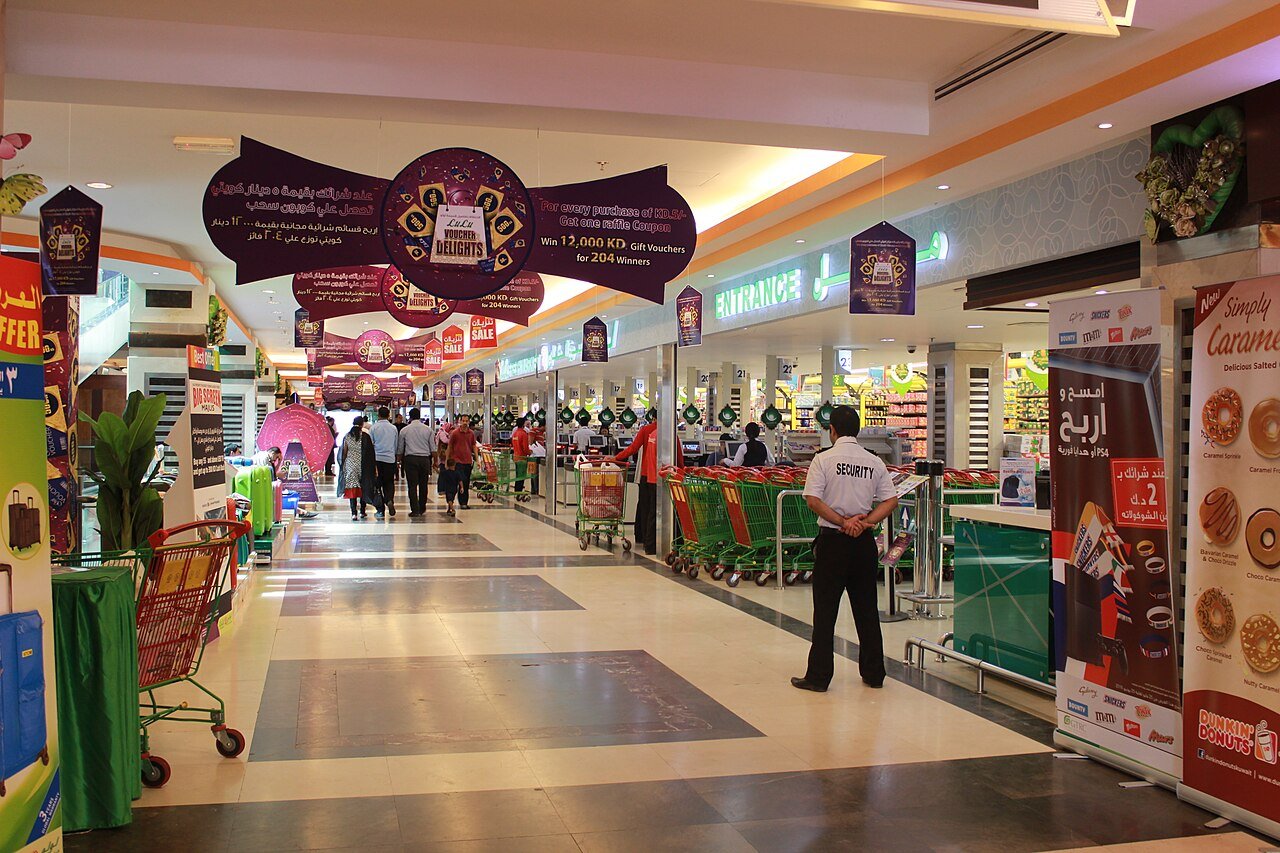
From that first store, LuLu grew into the largest and fastest-growing pan-GCC full-line retailer. Today, LuLu Retail Holdings operates 267 stores across the Gulf and beyond, generating annual revenue of around $7.9 billion. The group expanded far beyond hypermarkets into shopping malls — including the LuLu International Shopping Mall in Kochi, India, one of the country’s largest malls — plus sourcing offices, food processing units, logistics networks, and the Y International export company based in the UK.
The scale of the business attracted serious institutional money: in 2020, the Abu Dhabi sovereign fund ADQ bought a 20% stake in the group for just over $1 billion, paving the way for expansion into markets like Egypt.
The Record-Breaking IPO of November 2024
The defining financial moment of Yusuff Ali’s career came on 14 November 2024, when Lulu Retail Holdings PLC began trading on the Abu Dhabi Securities Exchange under the ticker “LULU”. The IPO was a landmark for the region:
- Raised gross proceeds of AED 6.32 billion (~$1.72 billion) — the largest IPO in the UAE in 2024.
- Attracted aggregate demand of over AED 135 billion (~$37 billion) from local, regional and international investors.
- Oversubscribed more than 25 times across all tranches — a record for a non-government UAE IPO in a decade.
- Drew a record 82,000 retail investors, with shares priced at AED 2.04 each.
- Became the 100th company listed on the ADX, and the largest private-sector IPO by a home-grown UAE company.
The listing crystallised the value of Yusuff Ali’s retained majority stake and gave his Forbes net worth estimate a firm, market-based anchor.
Beyond Retail: Hotels, Airports and Investments
Like many Gulf billionaires, Yusuff Ali diversified early. His assets include the Waldorf Astoria Edinburgh in Scotland and the Great Scotland Yard Hotel in London (the former headquarters of the Metropolitan Police, developed with London-based Galliard Homes in a deal reported at $170 million). He holds a minority stake in Cochin International Airport and sits on its board — the airport is notable for running entirely on solar power. In 2013, he picked up a significant stake in Kerala-based Federal Bank, becoming one of its largest individual shareholders.
M.A. Yusuff Ali Biography: Early Life and Family
M.A. Yusuff Ali Age and Early Life
M.A. Yusuff Ali — full name Yusuff Ali Musaliam Veettil Abdul Kader — was born on 15 November 1955 in Nattika, Thrissur district, Kerala, India. He is 70 years old as of 2026. He studied at St. Xavier’s High School in Karanchira and later earned a diploma in Business Management and Administration. In 1973, fresh out of his studies and barely 18, he boarded a ship to Abu Dhabi to join his uncle’s business — a journey that would change the face of Gulf retail.
Family and Personal Life
Yusuff Ali is married to Shafeena Yusuff Ali, and the couple has three children. They live in Abu Dhabi, UAE. One of his daughters is married to Dr. Shamsheer Vayalil, the billionaire founder and chairman of Burjeel Holdings and VPS Healthcare. Vayalil — a radiologist-turned-entrepreneur whose healthcare fortune Forbes estimates at around $1.7 billion — opened his first hospital in Abu Dhabi in 2007 with initial backing from his father-in-law, and has since built one of the Middle East’s largest private healthcare networks. The two businesses remain clearly demarcated: one rules Gulf retail, the other Gulf healthcare.
Philanthropy and Awards
Yusuff Ali is as well known for his giving as for his business. During the Covid-19 pandemic he donated $6.8 million and built and donated a 1,400-bed treatment centre in Kerala. He gave ₹9.5 crore for Kerala flood relief in 2018 and pledged a further Rs 50 million during the 2019 floods. In February 2026, he contributed AED 150 million to the “Mother of the Nation Endowment for Orphans” initiative under Awqaf Abu Dhabi, launched under the patronage of UAE President Sheikh Mohamed bin Zayed Al Nahyan. His charitable work has also supported schools in Gaza and Nepal, Gujarat earthquake relief, tsunami relief funds, and the welfare of expatriate Indian communities in the Gulf.
His honours include the Padma Shri (2008, presented by the President of India at Rashtrapati Bhavan), the Pravasi Bharatiya Samman (2005), the Abu Dhabi Award (2021, the emirate’s highest civilian honour, presented by Sheikh Mohamed bin Zayed), the Wessam Al Bahrain (Medal of Bahrain, 2014), the Queen’s Award for Enterprise (2017) for his UK export company, and Forbes Middle East’s ranking as the top Indian business owner in the Arab world (2018). He was also the first expatriate elected to the board of the Abu Dhabi Chamber of Commerce and Industry.